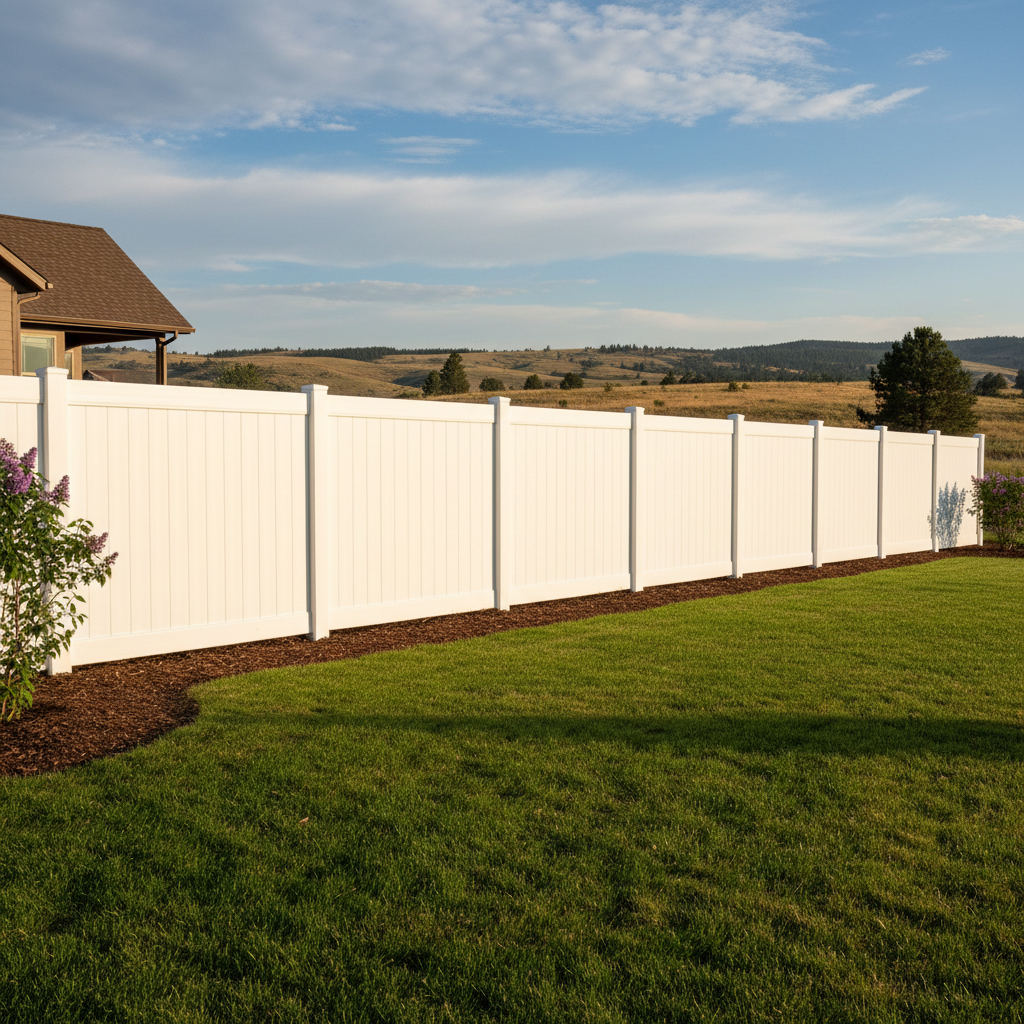
Thinking about a vinyl fence, are we? Good choice for a bunch of reasons – it's easy to keep up, looks sharp, and pretty much lasts forever. But I've watched plenty of folks here in Billings dive into a vinyl fence project without really knowing what they're doing. And honestly? It usually costs them more time, more money, and way more frustration than it should. As a contractor, I've fixed enough of these screw-ups to spot the common traps a mile away. So, let's talk about what you absolutely should not do.
Forgetting About the Ground Underneath
This is probably the biggest one, especially right here in Billings. Our soil conditions are, well, *interesting*, aren't they? You've got the hard, rocky stuff up in the Heights, then softer, more alluvial soil down by the Yellowstone River. It's not all the same, not by a long shot. A lot of homeowners — and even some contractors who really ought to know better — just don't account for this. You can't just dig a standard post hole and expect it to hold up a tall vinyl fence through our freeze-thaw cycles if you're hitting solid shale or loose fill. If your posts aren't deep enough, or if the concrete isn't mixed and cured right for the soil type, that fence is going to heave, lean, or even worse. You'll end up with wavy fence lines and gaps. That clean, straight look you wanted? Poof. Gone. Always, always make sure your contractor truly understands and plans for the local ground conditions. Don't let them just wing it.
Cutting Corners on Material Quality
Vinyl is vinyl, right? Nope. Couldn't be more wrong. There's a huge difference in quality out there. Some of the cheaper stuff is thinner, has less UV protection, and uses lower-grade PVC. You might save a few bucks upfront, sure, but give it a few years under our intense Montana sun and those brutal winters, and you'll definitely see it. It'll get brittle, crack, yellow, or just look faded and chalky. You picked vinyl for its long life and low upkeep, so why would you compromise on the very material that's supposed to deliver those benefits? Ask about the thickness of the panels and posts, what kind of UV inhibitors they use, and the manufacturer's warranty. A good quality vinyl fence should honestly last decades without falling apart. If the price seems too good to be true, well, it probably is.
Not Getting Everything in Writing
This one's a classic. Someone gets a verbal quote, shakes a hand, and expects the world. Then come the surprises: extra charges for digging in rocky spots, a different style of gate hardware than you talked about, or a finish date that just keeps getting pushed back. Get a detailed contract. It should clearly list the exact materials, the specific dimensions, how they'll set the posts, the timeline, the total cost, and a payment schedule. It should also include clauses for unforeseen issues and a clear warranty. If a contractor hesitates about putting everything in writing, that's a huge red flag. Walk away. Seriously, just walk away.
Choosing the Wrong Contractor (or Trying to DIY Too Much)
Look, I get it. Everyone wants to save money. But a vinyl fence isn't really a weekend project for most folks, especially if it's a long run or has gates. There's a lot of precision involved: getting posts perfectly plumb and straight, making sure the panels line up just right, and installing gates that swing freely and latch securely. I've seen DIY jobs where the fence looks like a roller coaster, or the gates sag within a year. And when it comes to hiring someone, don't just go with the cheapest bid. Check references. Look at their past work. Ask about their experience specifically with vinyl. Do they have the right equipment for digging in tough Billings soil? Are they insured and licensed? A reputable contractor, like us at Billings Fencing Company, will be upfront about their process and proud of their work. If they're vague or pushy, that's another red flag, plain and simple.
Ignoring Local Rules and Property Lines
You'd be surprised how many people start digging before checking with the city or their HOA. There are rules about fence height, how far back they need to be from property lines, and sometimes even what materials you can use in certain neighborhoods. You really don't want to build a beautiful new fence only to find out it's too tall or on your neighbor's land, forcing you to tear it down. Always get your property lines surveyed if you're not absolutely sure, and check with the City of Billings Planning Department and your HOA (if you have one) about any specific requirements before you even buy the first panel. It's a simple step that can save you a world of trouble.
Not Planning for Gates Properly
Gates are often an afterthought, and that's a big mistake. A gate isn't just a gap in your fence; it's a functional entry point that gets a ton of wear and tear. You need to think about the width – can your lawnmower or a wheelbarrow fit through? Do you need a double gate for vehicle access? What kind of hardware will stand up to the elements and provide the security you need? Vinyl gates need proper support, often with internal aluminum frames, to keep them from sagging over time. If your gate isn't designed and installed correctly, it'll be the first part of your fence to give you problems. Don't let it be an afterthought; it's a critical component.
So, there you have it. A vinyl fence is a great investment for your home, but only if you do it right. Take your time, ask the tough questions, and don't cut corners. You'll thank yourself for it down the road when your fence still looks great and works perfectly.