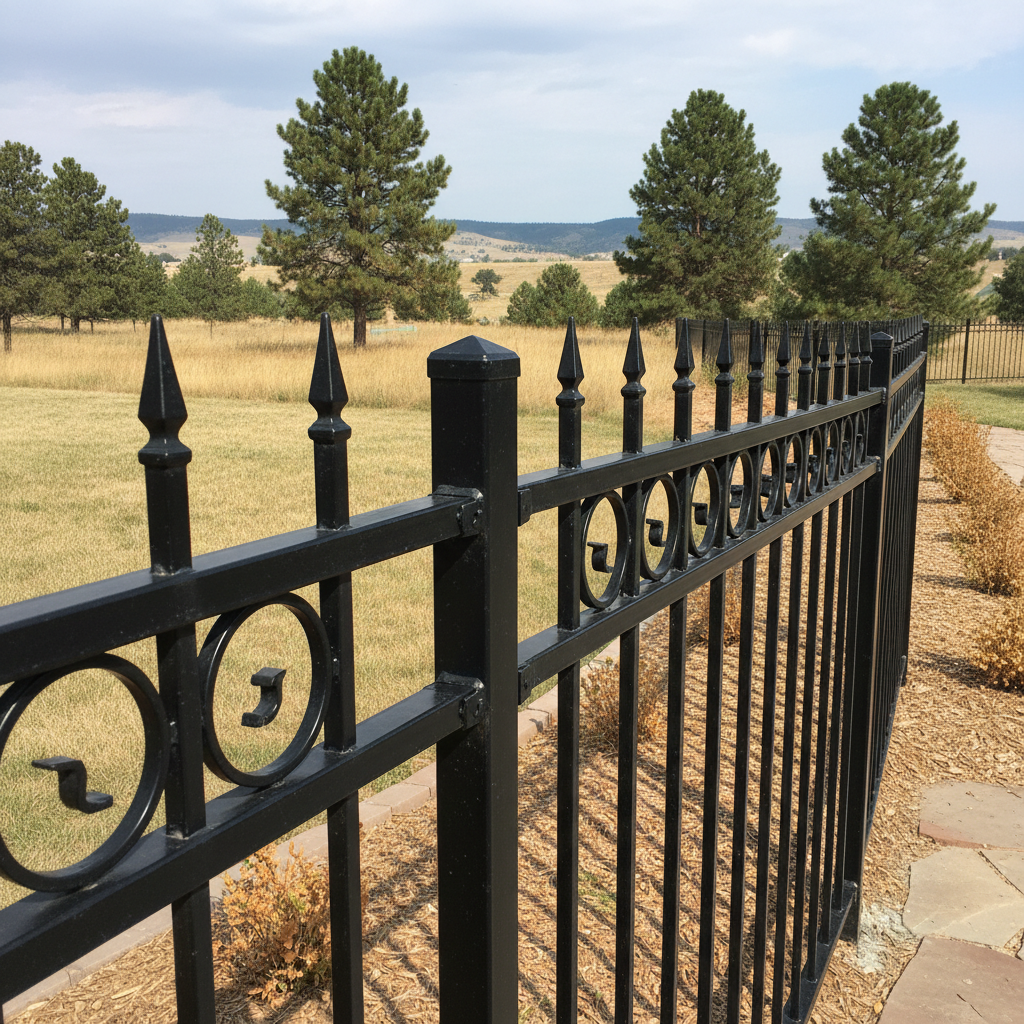
So, you're thinking about an ornamental iron fence for your place. Good call. They look fantastic, really boost curb appeal, and if they're installed correctly, they'll last for ages. But before you grab a shovel or start browsing online, let's chat about what's actually involved. Is this something you can tackle yourself, or is it a job for pros like us at Billings Fencing Company?
Before You Start: Planning Your Iron Fence
First things first, you need to decide what kind of fence you want. Are we talking a pretty border around your front yard, or something more substantial to secure a pool or mark your property line? Ornamental iron usually isn't for privacy, but it's excellent for security and, well, looking good.
- Check Local Codes: This is a big one. Billings has specific zoning and permitting rules, especially for fences that are too tall or in front yards. The last thing you want is to put up a beautiful fence only to be told you have to rip it down. Always check with the city's planning department first.
- Know Your Property Lines: Don't just guess. Dig out your survey, or get one done. Fences built on a neighbor's property are a headache no one needs.
- Design & Materials: There are tons of styles out there – classic wrought iron, sleek modern steel, different finials, various gates. Think about the look you're aiming for. Do you want custom-made pieces or pre-made panels? Pre-made is usually cheaper and easier if you're doing it yourself, but custom means you get exactly what you envision.
- Budget: Iron isn't the cheapest option right away, but because it lasts so long, it often turns out to be a better long-term investment than some wood fences that need constant fixing. Get some estimates, even if you plan to DIY, just to see what the materials alone will cost.
Most people can definitely handle the planning stage. Research, measure, check codes – that's all on you. But getting a professional's take on design or material choices? That can save you a lot of grief later.
During Installation: DIY vs. Pro
Okay, your plan is solid. Now for the actual work. This is where the line between DIY and calling a pro gets a little fuzzy.
When You Might DIY:
- Small, Simple Sections: If you're just putting up a short, straight decorative fence, maybe around a garden bed, and you're comfortable with basic construction, you might be able to pull it off.
- Pre-Fabricated Panels: These are made for easier installation. You'll still need to dig post holes, set posts in concrete, and attach panels, but it's less complicated than custom welding.
- You're Handy & Have Tools: If you own a post-hole digger, a good level, a concrete mixer, and you're good with precision, you're already way ahead.
When to Call a Pro (Like Us!):
- Longer Runs or Complex Layouts: Trying to get a long fence perfectly straight and level, especially on uneven ground, is tough. We've got specialized equipment and the know-how to make sure it's plumb and true.
- Gates: Installing gates, especially heavy iron ones, needs precise measurements and strong hinges to make sure they swing freely and latch securely. It's not just a matter of bolting them on.
- Slopes & Terraces: If your yard isn't flat, you'll need to either step the fence panels or have them custom-made to follow the grade. This is where DIY gets really tricky and often ends up looking pretty bad if it's not done right.
- Rocky Soil: Here in Billings, we certainly know about rocky soil. Digging post holes can be a total nightmare. We've got power augers and know how to deal with those stubborn rocks without breaking our backs – or your budget.
- Custom Work: If you want unique designs, curves, or specific dimensions, you'll need a fabricator. That is absolutely a job for a professional.
- Time & Effort: Let's be honest, this is hard work. Digging, mixing concrete, lifting heavy panels – it takes time and muscle. If you'd rather spend your weekend fishing the Yellowstone, let us handle the heavy lifting.
I've seen plenty of DIY fence projects around the Heights that started strong but ended up wavy or with gates that sagged after a year. It's not just about getting it in the ground; it's about getting it *in right* so it actually lasts.
After Installation: Maintenance & Upkeep
The good news about ornamental iron is that it's pretty low maintenance, especially if it's powder-coated or galvanized. But 'low' doesn't mean 'none'.
- Cleaning: A simple wash with soap and water a couple of times a year will keep it looking good and stop dirt from building up.
- Rust Checks: Even with good coatings, scratches or dings can expose the metal to our Montana weather. Keep an eye out for rust spots, especially around welds or where things might get bumped. If you see rust, sand it down and touch it up with rust-inhibiting paint quickly. Don't let it spread.
- Hinge & Latch Lubrication: For gates, a little lubricant on the hinges and latches will keep them operating smoothly.
- Inspect Posts: Make sure the posts are still solid in the ground. If you see any movement or cracking around the concrete, that's a sign you need to address it.
Most of this upkeep is totally doable for any homeowner. It's about being proactive, you know? A well-maintained iron fence can easily last 50 years or even more. If you ever run into a bigger issue, like a bent section or a gate that's seriously out of whack, that's when you give us a call. We're happy to help keep your Billings Fencing Company iron fence looking its best for decades to come.